Let’s be honest: Unless you’re getting a pedicure, most of us probably don’t pay much attention to our feet. Out of sight, out of mind, right? Turns out, we should be paying a lot more attention to the appendage that connects us to the ground – they can tell us much we need to know about our health. According to experts, subtle signs in our feet may indicate more serious health conditions such as heart disease and diabetes. It is important that we understand the incredible connection between our feet and our health, so that we can accurately pick up on when they are sending us signals that something is wrong.
The Connection Between Our Feet and Our Health

That’s right – our feet can tell us more than just when we’ve walked too far in the wrong shoes. They can tell us if we are at risk for some pretty serious health problems. Noel Wicks, a pharmacist and advisor to Excilor, spoke to The Express UK about this very connection. She highlighted the significance of monitoring foot health as it can be an indicator of various health issues, from the muscles in our feet all the way to our toenails.
“We need to keep an eye on our foot health, including our toenails, because it can impact on our overall health and be a sign of [serious] health issues.” She explained.
The things is, we often take our feet for granted. Many people even openly discuss their dislike of feet. In reality, our feet are incredibly intricate parts of our bodies. They housing 26 bones, 30 joints, and over 100 muscles alongside a network of blood vessels. They allow us to walk and move around with relative ease. As mentioned already, they can also send us warning signs that something is going wrong with our health. One of these conditions that your feet might be trying to warn you about is heart disease.
Privacy Preferences
We and our partners share information on your use of this website to help improve your experience. For more information, or to opt out click the Do Not Sell My Information button below.
Symptoms of Heart Disease in the Feet

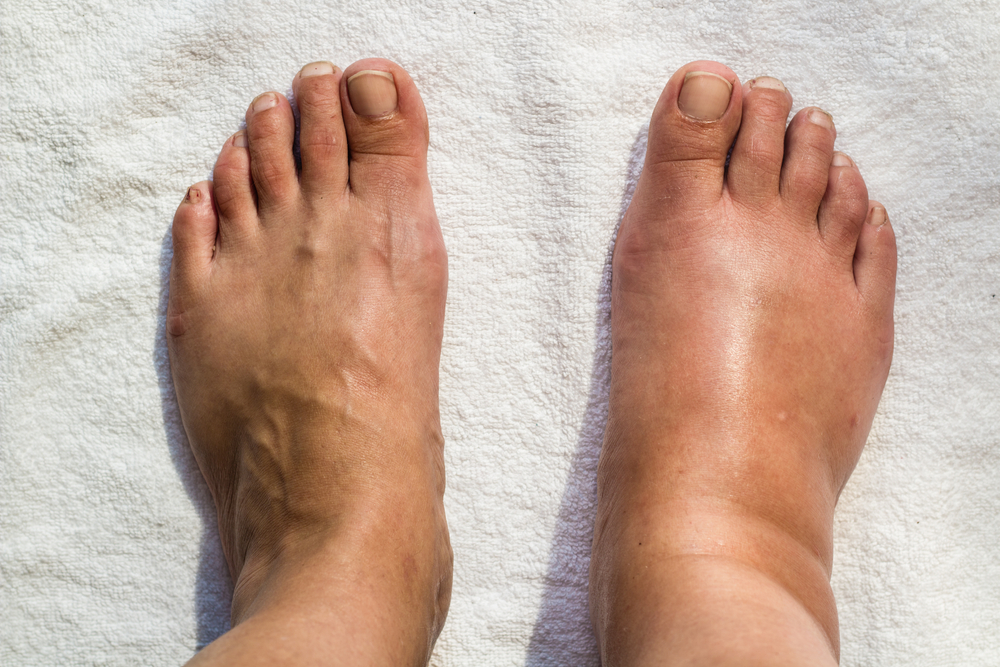
Our feet are about the furthest from our hearts that you can get within the limits of the human body. Wicks explains, however, that the tiny blood vessels in our toes are susceptible to clogging with fat. As you probably already know, this is a common marker of heart disease. How do your feet try to tell you that you may have heart disease? Using symptoms such as cold, numb, painful, or potentially swollen feet. Thickening and brittleness of toenails can also indicate an underlying heart issue. If you are experiencing these symptoms, it is suggested that you see your doctor right away before something worse happens.
Treatment, Management, and Prevention of Heart Disease

As was said, if you think your feet are trying to tell you that you have heart disease, seeking medical advice promptly is crucial. Depending on your diagnosis and how far into the disease you are will dictate the plan that your doctor will lay out for you. Treatment options will definitely include lifestyle changes, and may also include medications, and/or surgical interventions. Management strategies often involve regular monitoring of heart health through check-ups and adherence to prescribed therapies. Of course, prevention is the best way to avoid these problems altogether. Preventive measures include maintaining a healthy diet, engaging in regular physical activity, sleeping well, and avoiding tobacco and alcohol use. All of these strategies can significantly reduce the risk of heart disease.
Symptoms of Diabetes in the Feet

Your feet aren’t only trying to tell you that you might have heart disease. They may also reveal symptoms of diabetes, another prevalent health condition that is often seen in conjunction with heart disease. Warning signs include tingling, burning, or pain, loss of sense of touch, cracked or dry skin, non-healing blisters and sores, fungal infections, and athlete’s foot. It is important to note that these indicators may appear subtle but should not be ignored. For example, numbness in the feet could present itself in you stumbling or tripping over small ledges and things that you never did before. This is because your brain is having a harder time figuring out where your foot is in space, because it can’t feel all or parts of the foot.
Treatment, Management, and Prevention of Diabetes

As always, early detection and management of diabetes are key to preventing complications. If you are experiencing foot symptoms associated with diabetes, this not only could indicate that you have the disease but that it is also somewhat advanced. You should consult a healthcare professional for evaluation and appropriate treatment as soon as possible. Diabetes management normally involves blood sugar control, lifestyle modifications, medication, and monitoring for complications like neuropathy. It most definitely will involve eating more healthfully, exercising, and taking insulin. Prevention strategies, unsurprisingly, consist of much of the same things that treatment does. This includes maintaining a healthy weight, regular physical activity, balanced diet, and regular blood sugar monitoring.
Connecting With Your Feet and Your Health

Understanding the correlation between our feet and our overall health is essential for early detection and intervention regarding heart disease and diabetes. By recognizing the signs that our feet may be signaling health issues, you can take the necessary steps towards managing any conditions you may have developed and finding your way back to health. Regular foot examinations, prompt medical attention, and adherence to recommended treatments can play a significant role in achieving this goal. Let’s all remember from here on out to pay more attention to our feet so we can live happily, healthfully, and for longer.