What Exactly IS a Wart?
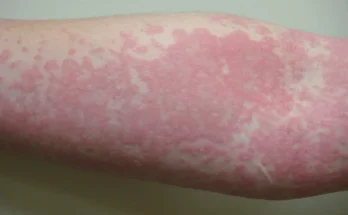
At its core, a wart is a small skin growth caused by a virus – the human papillomavirus (HPV). When the virus gets into your body through a tiny cut or scrape, it can cause the skin cells to grow rapidly on the surface, creating that familiar bumpy texture of a wart.
Types of Warts
Warts come in all shapes and sizes and can show up almost anywhere on your body. That being said, there are some types of warts that are more common than others. The following are the most common types of warts that people get.
Common Warts
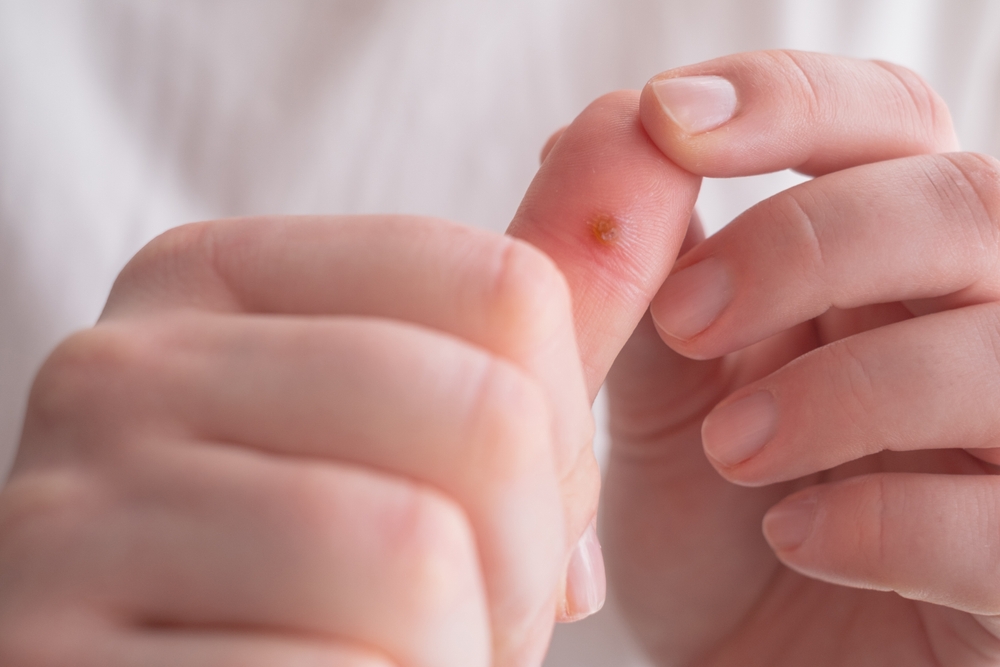
These are the classic warts, often found on hands and fingers. They have a rough, “cauliflower-like” surface. Usually they are fairly small, but they can grow if left untreated.
Plantar Warts
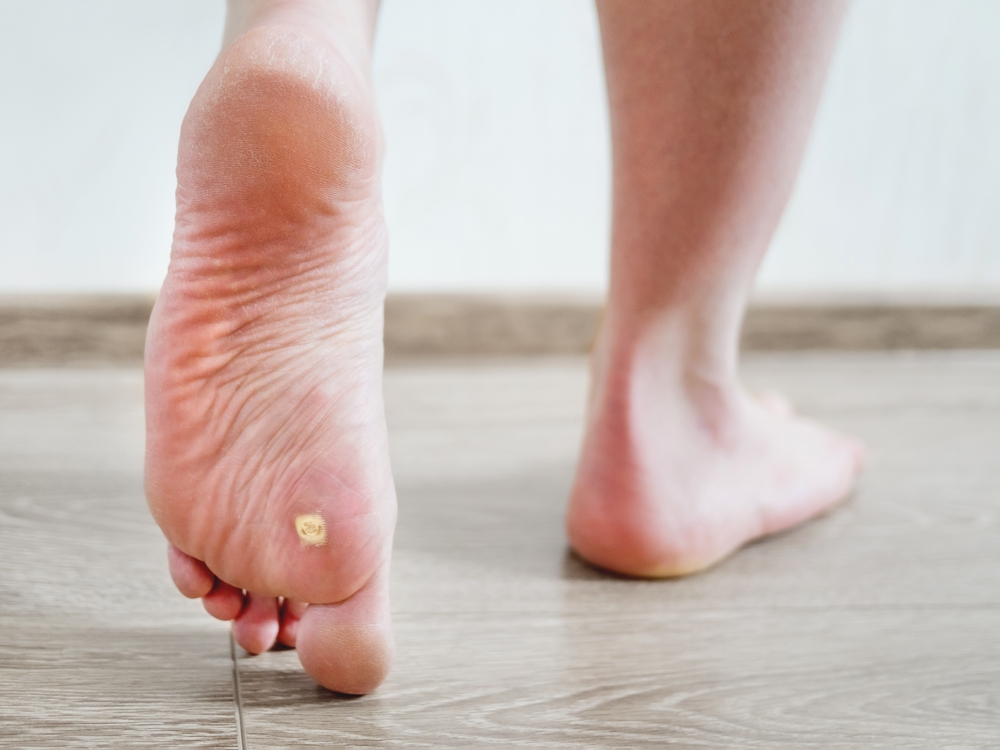
Plantar warts are those that hang out on the bottom of your feet. Because of the pressure from walking, they can grow inward. For this reason, they can sometimes feel like a painful pebble in your shoe. These can grow to be quite large if left untreated.
Flat Warts
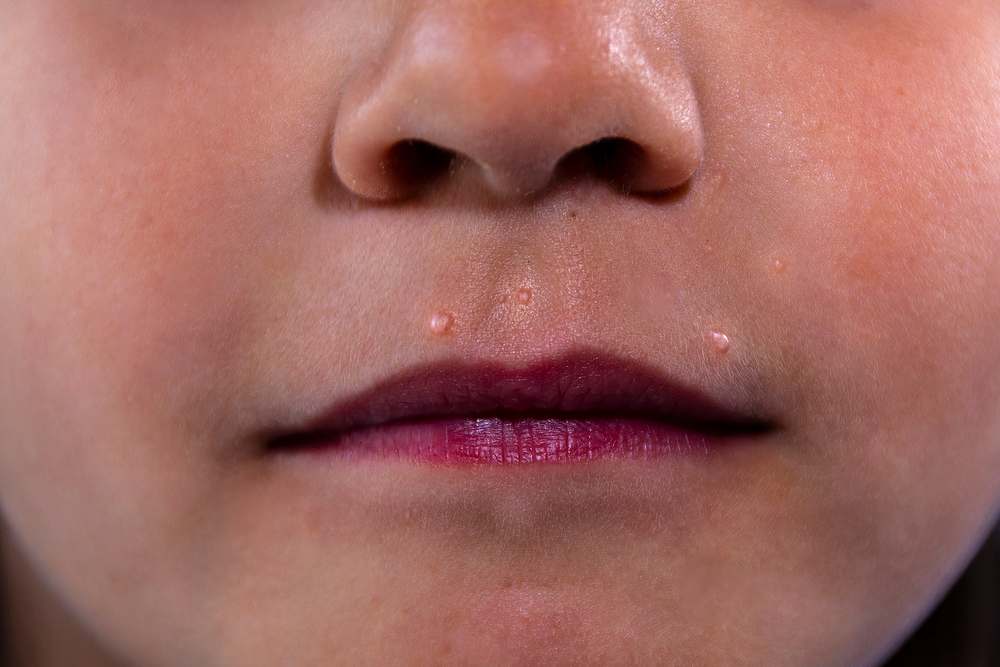
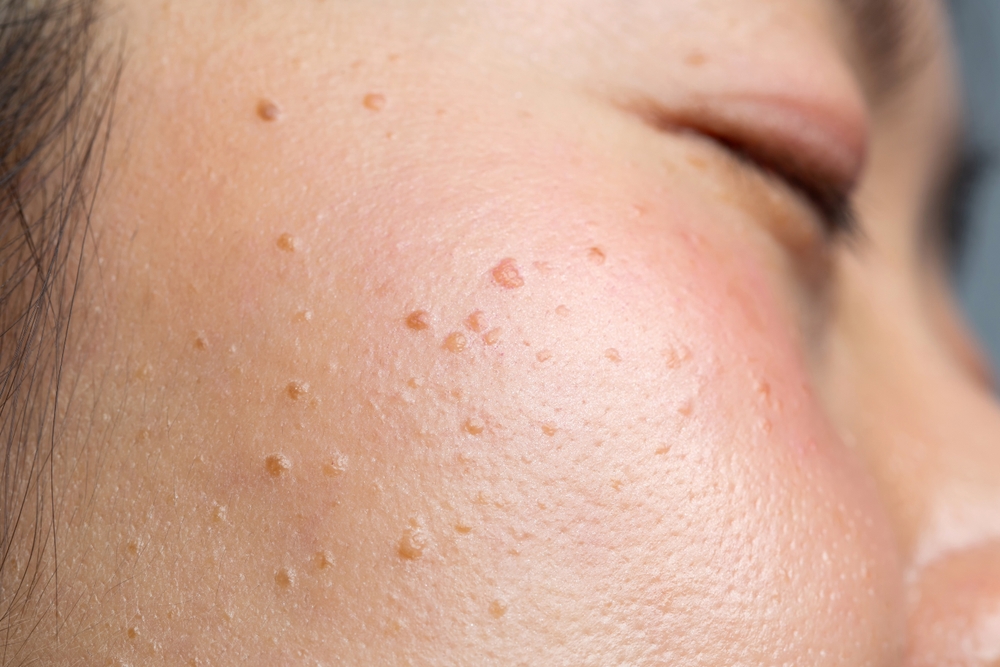
As the name suggests, these are flatter and smoother than other warts. They often appear on the face, arms, or legs. How you treat them will depend slightly on their location, as the skin on your face is usually more sensitive than that on your arms or legs.
Filiform Warts
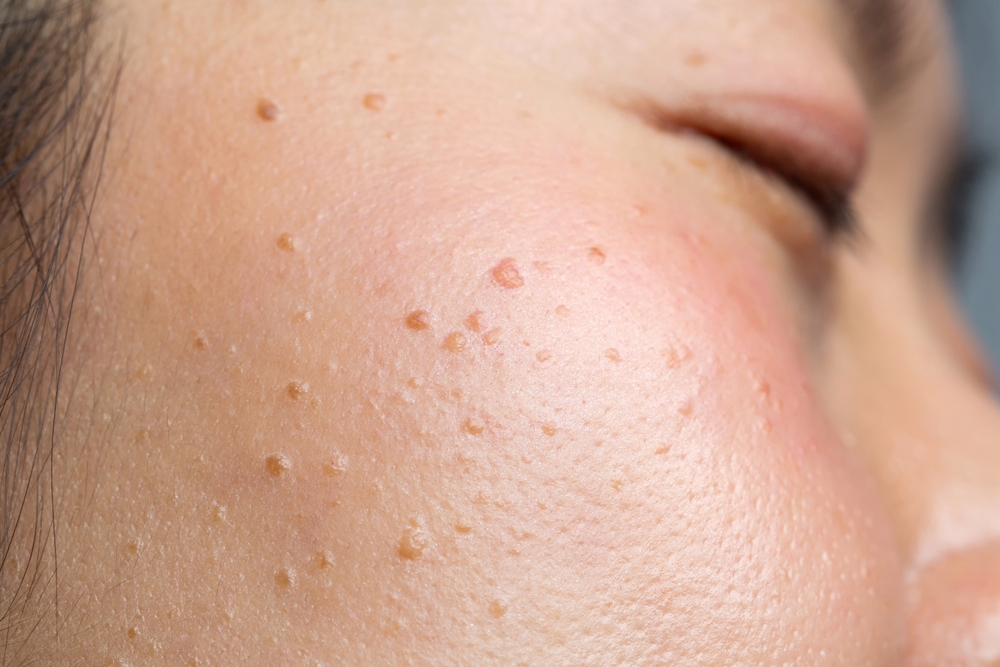
These are a bit dramatic-looking warts. They have long, thin, thread-like growths that love to pop up around the eyes, nose or mouth. Again, treatment may differ for these as well given their sensitive locations.
Genital Warts
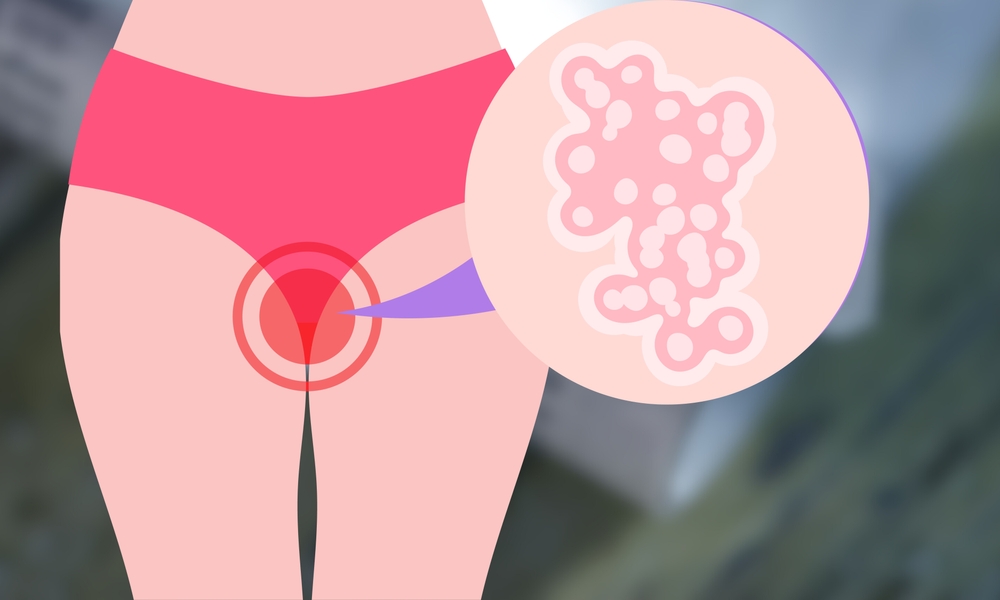
Gential warts are those that show up on or around your genitals or anus. They can be raised or flat, small or big, and sometimes, when they group together, they look a bit like a tiny head of cauliflower. While they’re usually painless, they can cause itching, burning, or even bleeding. Most of the time, they’re caused by HPV 6 and 11, but some more serious HPV types, like 16. This type of HPV is linked to a higher risk of genital cancer, which is why it’s so important to be aware of them. Prevention is key, meaning using protection when having sex, getting tested regularly, and never having unprotected sex until both you and your partner have been tested.
Age Warts
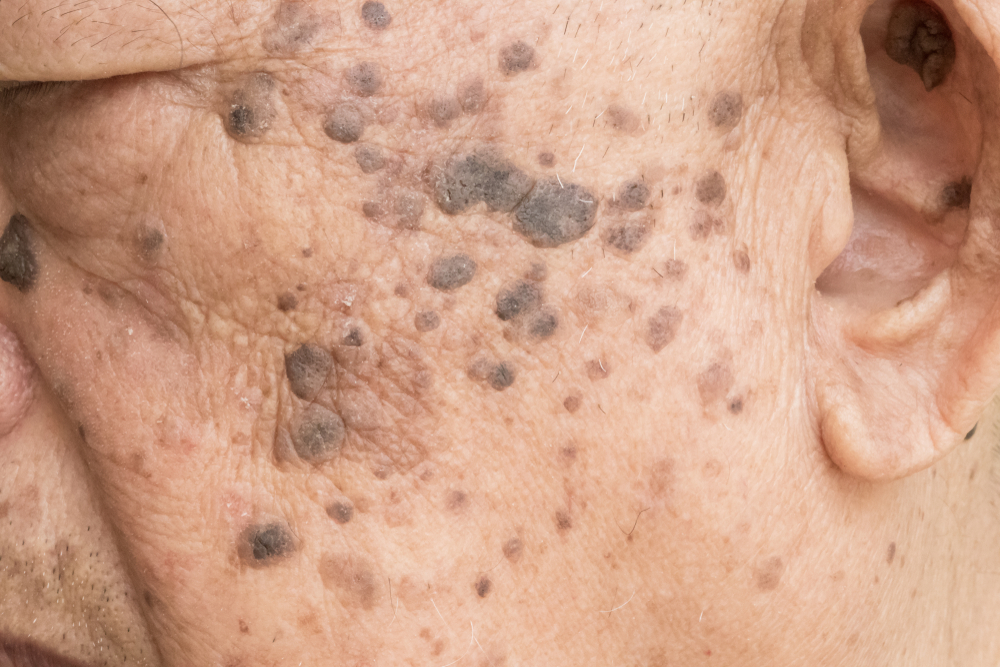
Age warts, sometimes referred to as “wisdom spots” on the skin, are ones that tend to appear as we get older. They often start as a yellowish patch and then evolve into rough, raised bumps that can be light or dark brown. These warts usually start appearing around age 40, especially on the upper back, forehead, and the backs of our hands. While they’re completely harmless, they can sometimes be tricky to tell apart from more serious skin conditions like melanoma. It’s always a wise choice to have them checked by a dermatologist, to ensure that they are not something worse.
The Scoop on Spreading
Yes, warts are contagious, but they don’t just jump from person to person like a cold. They’re typically spread through direct skin-to-skin contact, especially if the skin is broken. You can also pick them up from contaminated surfaces. This can include sharing a razor or walking barefoot in a locker room.
Home Remedies: A Do-It-Yourself Approach
While many warts eventually disappear on their own, waiting for them to do so can be tiring. This is especially true if the wart is painful or if it is in a highly visible location. Thankfully. There are a few things you can try at home, from the weird to the surprisingly effective. Still, it is a good idea to consult with a doctor or dermatologist, who may be able to guide you through both home and medical remedies.