Unwashed produce

Fruit and vegetables are universally considered healthy, but they can lead to food poisoning when eaten raw. Vegetables and leafy greens, in particular, can become contaminated with E. coli, salmonella, and listeria at multiple points in the supply chain, such as from unclean water and dirty equipment. Previous outbreaks in the U.S. involved lettuce, spinach, cabbage, kale, tomatoes, and celery. So always wash vegetables and green thoroughly, especially if they’re going to be eaten raw. Additionally, avoid bags of salad mixed with rotten leaves.
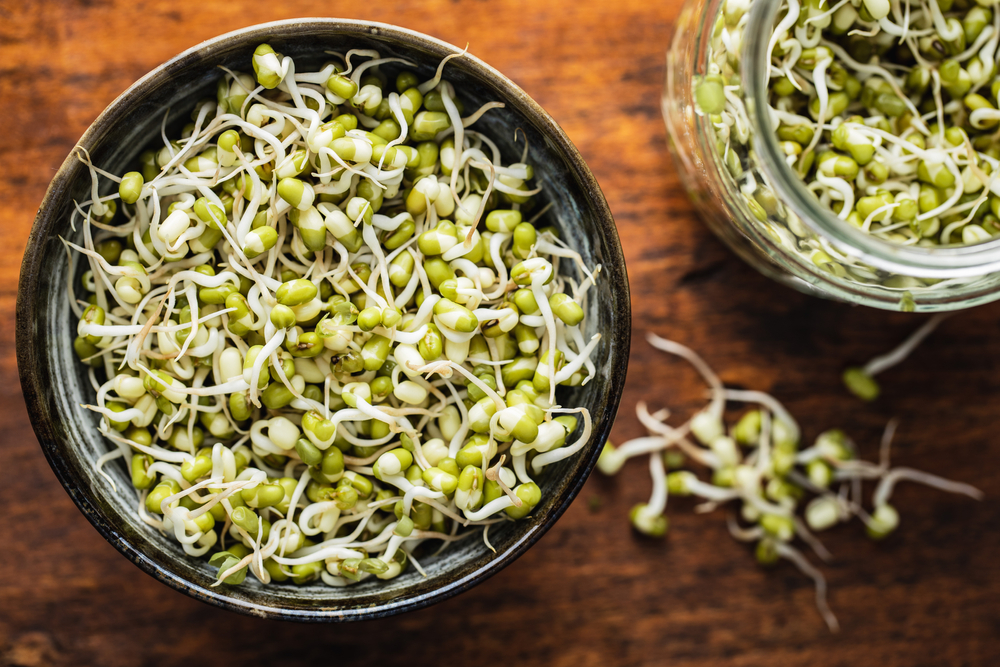
Raw sprouts

There are various types of sprouts, and they all risk containing pathogens like salmonella, listeria, and E. coli. Seeds need warmth, moisture, and nutrients to grow into sprouts, and bacteria also thrive in this environment. For this reason, the FDA recommends pregnant women and other vulnerable people avoid raw sprouts. The good news is that cooking can kill these bacteria and make them safer to consume.
Raw or undercooked eggs

Eggs contain many nutrients, but they can also contain salmonella inside the eggs and in the shell. In fact, eggs used to commonly cause food poisoning outbreaks but cases have reduced in recent years. However, they still occur and could cause serious health consequences. So, always toss out eggs with a dirty or cracked shell. If you need raw eggs in a recipe, use pasteurized ones. Additionally, be cautious about runny eggs and homemade salad dressings.
Raw shellfish and fish

Fish have a high risk of developing histamine when it’s not stored properly. Unfortunately, typical cooking temperatures can’t kill this type of bacteria. People who consume it can get scombroid poisoning, which results in nausea, wheezing, and facial swelling, among other symptoms.
Additionally, tropical fish may be contaminated with ciguatoxin, which can cause ciguatera fish poisoning. It also cannot be cooked out, so it can affect unsuspecting consumers. Meanwhile, shellfish can ingest toxic algae that can make people sick after they eat those oysters, scallops, etc. Therefore, it’s important to buy seafood from reliable shops and keep it chilled until it’s cooked or eaten.
Raw or undercooked poultry

Poultry like chicken, turkey, and duck can cause food poisoning when it’s not cooked properly. Campylobacter and salmonella are two kinds of bacteria that often appear in the feathers and guts. During the slaughter, the bacteria can contaminate the rest of the poultry, but they are vanquished during the cooking process. However, raw poultry could spread this bacteria onto other surfaces such as counters, utensils, chopping boards, and other foods. Therefore, food safety experts recommend people avoid washing raw chicken; this doesn’t kill the germs, and it only increases the risk of cross-contamination.
Rice

Rice is a staple food for many people around the world. But uncooked, it can contain toxic spores that lead to food poisoning. Unlike other types of bacteria, it can live in dry environments and survive the cooking process. So, if cooked rice is left out, the spores can develop into bacteria that could make a person sick. Therefore, avoid leaving cooked rice out at room temperature. Either serve it right away or refrigerate it. When reheating the rice, ensure it is thoroughly hot.